
Growing Guides
Care guides from Almost Eden, written by Jeff McMillian from what we have learned growing these plants in Merryville, Louisiana (zone 8b).
Esta guía está en inglés por ahora.
Start Here
- Container Plants: Potting, Watering and RepottingMove a plant up one pot size at a time. Don't pick a pot to fit how big the plant will someday be. A typical 3.5 to 4.5 inch potted plant (that's the…
- Getting Plants Through WinterAs gardeners — speaking for myself, at least — we always want to try new, exotic and unusual plants. That often means gardening on the edge of a…
- Mulching, and Why Roots Need Air(How to mulch properly, why roots need to breathe, and what lenticels are)
- Planting a New Plant in the GardenAs the LSU AgCenter says, "Right Plant, Right Place." Each plant's page on our website tells you the growing conditions it likes, and links to any of…
Plant Guides
- Allspice and Bay Rum Growing GuideSun and cold. Give your Allspice or Bay Rum tree full sun to part sun outdoors whenever there's no danger of frost. A mature Allspice can take about…
- Angel's Trumpet (Brugmansia and Datura) Growing GuideAngel's Trumpets — Datura and Brugmansia — have long been garden favorites, prized for their big, showy flowers and, for many of us, their wonderful…
- Azalea Growing GuideEvergreen Azaleas bring a burst of color to the spring garden, and they're especially well suited to the humid Southeast. You can find old Formosa and…
- Cactus and Succulent Growing GuideCacti and succulents make an easy move from their native climates into our homes, offices and greenhouses. As most of you know, they come from places…
- Camellia and Sasanqua Growing GuideGrowing and planting the large-flowered Japonica (common) Camellias and Sasanqua Camellias
- Clematis Growing GuideLarge-flowered Clematis are generally very tame, non-strangling vines that need little care. Once these long-lived perennial vines are established — at…
- Coffee Tree Growing GuideWant to grow your own coffee beans? Coffee trees make beautiful houseplants, with large, glossy leaves and white spring flowers that are often followed…
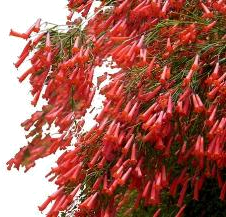
- Coral Honeysuckle Growing GuideAlmost Eden's guide to growing, planting, fertilizing, training and pruning Honeysuckles. As far as growing, planting, pruning and training go, it…
- Epiphyllum and Night Blooming Cereus Growing GuideEpiphyllums are one of the few true jungle cacti. In nature they're epiphytes — they grow on trees and other plants, finding soil and nutrients trapped…
- Gardenia Growing GuideFor fragrance in the garden, few plants compare with the unforgettable perfume of a Gardenia. They can start blooming as early as mid- to late spring…
- Hardy Hibiscus and Confederate Rose Growing GuideFew plants can match the summer-long show of huge flowers on a Hardy (Perennial) Hibiscus. They're also called "Dinner Plate Hibiscus" for good reason…
- Milkweed: More Than Just a Monarch HostNorth American Milkweeds and Butterflyweeds are often free-flowering, generally perennial natives — some form clumps, some spread by underground…
- Once-Mown Meadow or Prairie for PollinatorsYou can easily grow a very low-maintenance wildflower meadow — blooming spring to fall, full of diverse, high-quality native plants for pollinators…
- Plumeria Growing GuidePlumerias, or Frangipani, are native to the tropics of Mexico, Central America and northern South America, but they've long been famous as Hawaiian lei…
- Pride of Barbados Growing GuidePride of Barbados, Caesalpinia pulcherrima, is a tropical to subtropical, naturally evergreen, medium to large shrub in the legume (bean) family, Fabaceae.
- Sambac Jasmine Growing GuideCovers 'Grand Duke of Tuscany', 'Elongata', 'Grand Duke Supreme', 'Belle of India' and the common forms of Sambac Jasmine.
- Training Climbing RosesClimbing roses send out extremely tall canes and should generally be trained along some kind of support. They're more accurately called running roses.
Garden Beneficials
- Garden Beneficials: Dekay's Brown SnakeDekay's Brown Snake (Storeria dekayi) is a small, harmless, helpful snake.
- Garden Beneficials: the Rosy Wolf SnailGrowing up in a nursery, we were taught that all snails, big or small, were bad. Snails and slugs eat plants, so they should be destroyed on sight, right?
Older Guides and Newsletters
64 more pieces from our old website and newsletters are in the catalog's Growing Guides list. Some mention products or dates from that time. Open the Older Guides and Newsletters