
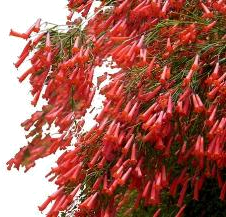
Chapel Hill™ Pink Huff Hardy Lantana
Lantana camara 'Chapel Hill Pink Huff'
- 3.5 in · $9.99 · 1 available
A sport of the ever popular Miss Huff Lantana, Chapel Hill™ Pink Huff produces clusters of flowers that open primrose yellow and fade to a medium rosy pink with an orange eye on a slightly more compact plant but with the reliable hardiness of its parent. Lantana are excellent pollinator plants attracting a myriad of bees, butterflies, and numerous other garden beneficials are lured in by the promise of rich ample nectar. These are die-back perennials in zones 7,8, and 9 that return from the crown once soil temperatures begin to warm in spring. Not only are they excellent for pollinators, Lantana provide a continuous display of color from spring to frost. Provide a full to mostly sunny position and average or better drainage. An easy and low maintenance addition to the garden, landscape, and for larger containers. Expect Chapel Hill™ Pink Huff Lantana to have a mounding to bush-like habit.
_x000D_
_x000D_
Lantana are only second to Porterweed in our garden for their ability to attract butterflies! Lantana are loaded with flower power and normally flower continuously from late spring to frost. This durable and reliable perennial is moderately drought tolerant, deer resistant, salt tolerant, and is generally pest free. For the best results provide your Lantana with an average to well draining soil with average moisture in an area that gets 6 hours or more of sun per day.
_x000D_
_x000D_
Cutback or shear by 1/3 to 1/2 in early to midsummer and give a light fertilize if flowering on your Lantana slows due to seed set or insect pressure. To help protect and insulate the crown of your Lantana wait until new growth begins again in spring to cutback after winter. A breathable but insulative mulch, such as pine straw, piled in and around the crown of these cold hardy, die-back tropical to subtropical shrubs will also help to ensure winter survival. A settled depth of 4-6" and piled about 12-18" beyond the crown is often sufficient for most established plants. Establishment in early spring is optimum although into midsummer is normally acceptable in zones 7 and 8. Establishment should be successful from early spring through summer in most of zone 9 and basically year round in zone 10-12 and in One of the hardiest Lantana on the market, Miss Huff thumbs her nose at cold weather all the way to zone 7! A wonderfully free flowering Lantana whose clusters of flowers open yellow, fade to orange, coral, and finally pink and are born from summer to frost. An excellent choice for butterflies! Miss Huff Lantana comes highly recommended by Texas horticulturist and plantsman Greg Grant and is also a 2003 Georgia Gold Medal winner.
_x000D_
_x000D_
Lantana are only second to Porterweed in our garden for their ability to attract butterflies! Lantana are loaded with flower power and normally flower continuously from late spring to frost. This durable and reliable perennial is moderately drought tolerant, deer resistant, salt tolerant, and is generally pest free. For the best results provide your Lantana with an average to well draining soil with average moisture in an area that gets 6 hours or more of sun per day. They can be cut back to near ground level in winter.
_x000D_
_x000D_
Cutback or shear by 1/3 to 1/2 in early to midsummer and give a light fertilize if flowering on your Lantana slows due to seed set or insect pressure. To help protect and insulate the crown of your Lantana wait until new growth begins again spring to cutback after winter. A breathable but insulative mulch, such as pine straw, piled in and around the crown of these cold hardy, die-back tropical to subtropical shrubs will also help to ensure winter survival. A settled depth of 4-6" and piled about 12-18" beyond the crown, depending on how harsh your winters are, is often sufficient for most established plants. Establishment in early spring is optimum although into midsummer is normally acceptable in zones 7 and 8. Establishment should be successful from early spring through summer in most of zone 9 and basically year round in zones 10-12 and in frost-free locations. If you've purchased small plants on sale in fall consider uppotting them if needed and overwintering them where the stems and soil won't freeze to give your plants a head start on spring.
_x000D_
- Zones
- 7, 8, 9, 10, 11, 12
- Sun
- Full sun, Mostly sunny, Part shade
- Size
- 2-3'H x 3-4'W+
- Bloom
- Spring to frost to year round under frost free conditions.
- Soil
- Tolerant of a wide range of soil types provided they are average to well-drained.
Family: Verbenaceae
Find it in: Perennials, Bee Plants, Butterfly Plants, Deer Resistant Plants, Drought Resistant Plants, Lantanas, Perennials by Size Class, Plants by Flower Color, Salt Tolerant Plants